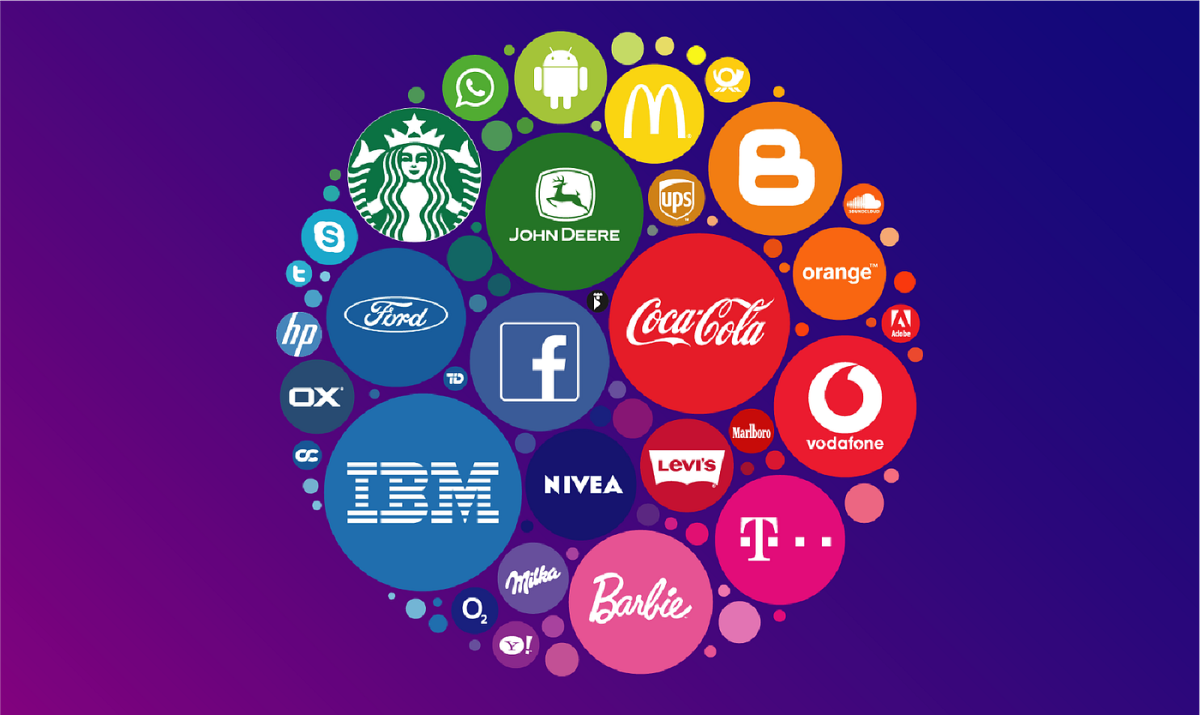
Branding in the modern world has become one of the most powerful forces shaping public impressionability. Logos fill stores, screens, and conversations, leading to the inevitable molding of the value and perspective through which people see the world. Over time, these symbols stop acting as simple product labels and begin functioning as a way to signal what is culturally tolerable to consume. These simple pictures, marked upon carefully thought-out packaging, influence what seems desirable, what seems trustworthy, what seems acceptable, and even what seems normal. And as these symbols become embedded in our daily lives and choices, they begin to not only shape what we buy but also how we think.
These tools, once used to promote and advertise products, have slowly started to become more of a social conditioning above anything else. Massive companies spend billions of dollars researching color psychology, consumer habits, and emotional associations in order to engineer specifically curated reactions from their targets. Their purpose is no longer simply to convince such people to purchase their product as a solution to their problems or desires, but to convince them that the product is a reflection of who they are as a person. A logo becomes a status symbol. A slogan becomes a personality trait. A product becomes the shape of who they think they want to be. And because of that, society begins to develop tunnel vision, focusing specifically on these products to which they have grown an emotional attachment, not realizing that they exist solely to generate profit. That, in reality, it’s really just a one-sided relationship born to make one side richer and deplete the authenticity of the other.
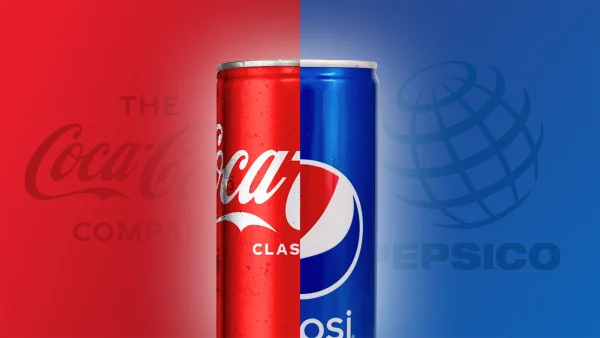
Human perception is a delicate balance of truth and illusion. And when truth becomes blocked, reality starts to become distorted so much so that it can alter physical experience. Numerous studies have shown that sensory perception can be easily manipulated by what we choose to believe and associate with. Blind taste testing, as demonstrated time and time again, shows the dramatic effect branding has on the perception of a product. Perhaps the most famous example comes from the rivalry between Pepsi and Coca-Cola. Americans, when shown the label, insist that Coke has a better taste than its competitors. However, when participating in blind taste testing, many often state that they prefer Pepsi or even just struggle to distinguish the difference between the two. Only further demonstrating that once iconic labels and packaging are removed, the distinctions that once felt obvious begin to blur into a blinding fog of flavor, drifting into the unknown without the landmarks the branding once provided. Even such that iconic sodas lose their identity. Offering an explanation that what people believed was certain was nothing more than conditioned familiarity.
I even conducted this experiment on a small scale, which, unsurprisingly, only made this phenomenon more evident. I showed my participants 10 different common sodas, asked which was their favorite, and then had them taste said soda without the knowledge of which one was which. Not only was everyone only able to achieve a 50% success rate, but none liked the taste of the soda they had previously deemed their favorite. One participant, after choosing a different soda from what she had said was her favorite, admitted: “I don’t know, I thought I would like that one more just cause I liked the bottle.” Her honest response not only highlighted how deeply branding influences expectation but also how packaging and the visuals of the product shaped her perception before the purpose for this, the taste, had even entered the equation. An even more shocking moment came when a participant had previously openly claimed to hate every single variety of soda besides Pepsi and then proceeded to bash the taste of what she believed to be Coke. So, although in reality she was having her beloved Pepsi, she gave us a much deeper realization: that expectation can override genuine perception when one chooses to believe their own sheltered perspective.
While soda branding may seem harmless on the surface level, when you dive deeper into the clouded water, you realize the issue is much larger and woven all throughout society. This branding stretches far beyond food labels. It shapes fashion trends, political messages, technology preferences, entertainment/sports, and eventually every decision in human life. People increasingly judge others’ intelligence, attractiveness, success, and social status, all based on the brands they wear or consume. Expensive logos are interpreted as signs of achievement. Popular brands become associated with superiority regardless of actual quality. Off-brand products become a symbol of the cheap. In simple terms, value is no longer judged solely by quality, but by the reputation attached to a logo.
Social media has also played a huge role in intensifying the issue tenfold. Platforms are constantly flooded with influencer culture and constant corporate advertising disguised as authenticity. Individuals continue to increasingly shape their own identities by what they are told are the marketable appearances of figures they see online, turning themselves into personal walking, living advertisements in the pursuit of validation and visibility from their peers. Rather than developing independent values and having genuine self-expression, many have unknowingly crept into predetermined, manufactured identities created by this toxic consumer culture. All based around corporations spending years conditioning them to desire what they want them to desire.
These major consequences of this system reveal a society trapped in its own endless cycle in which the measurement of one’s consumption becomes the token of their self-worth, while all along, corporations still continue to profit from their insecurities. These companies encourage materialism and a sense of conformity to fit in with the status quo. Consumers start to view these horrible corporations that exploit labor, manipulate psychology, and prioritize profit over public well-being as emotionally significant to who they are. Due to this, mental health (as if it needs more help deteriorating) starts to suffer as people compare themselves against impossible lifestyles sold through branding campaigns. In the end, feelings of inadequacy, social pressure, and anxiety become profitable business strategies for these ruthless scums.
On that note, perhaps the most concerning part of all of this is how branding affects one’s own internal perception of themself. People suffer internally from the feelings of desire that these companies make them believe that they want. And when people believe their choices are entirely personal, they rarely question who influenced those choices in the first place. They stay in their box of illusions, letting the hands of the corporations capitalize on their little puppet dance of consumer obedience. And in that, the danger lies in allowing commercial influence to define one’s identity, values, and perception of the world without conscious awareness of what is even going on around them.
Even the results of the Pepsi and Coke experiment serve as a powerful reminder of corruption in the broader reality. If branding can alter something as immediate and physical as taste, then its ability to shape larger beliefs becomes almost impossible to ignore. People will put trust in familiar logos and defend them with emotional intensity despite the companies offering no loyalty in return. Eventually, reaching a point where the vast power of corporations becomes too great, and even with the knowledge of what is going on, there is nothing the public will be able to do to stop it.
The purpose of examining branding is not merely to argue that all companies or advertising is inherently evil. But rather to recognize the significant psychological power branding holds over modern society and the extent to which it influences the human thought pattern. Awareness of the cause is not only essential for obvious reasons but also allows the dangers of obliviousness to subside. Only through conscious awareness can individuals begin separating their own authentic personal identity from the artificial ones carefully planted by corporations.
Branding has become more than just a business strategy. It has evolved into a force capable of manipulating identity, emotion, and reality itself. The real question is not whether branding influences people, but how much of one’s life has already been shaped by that influence. Until individuals begin critically examining the effects on their true identity, corporations will continue to define what feels normal, shape behavior, and profit from perceptions people believe are entirely their own.