I always used to watch the same quirky, charming rom-coms most teenage girls fawn over. The well-loved “10 Things I Hate About You”, or my personal favorite, “27 Dresses”. Predictable, but entertaining. Yet, I was missing the relatability, the emotion. I sought to find a film that combined the depth I craved while including classic storytelling. More than just a wartime romance, Casablanca is a prime example of that, embodying the pain of sacrifice and the unavoidable messiness of love.
Released in 1942, Casablanca went from a fated failure to one of the most well-known classic films of all time. Directed by Michael Curtiz, the romantic drama was thought to be no different from any other. Rick Blaine (Humphrey Bogart) is a cynical American who owns a nightclub in Casablanca, a densely populated metropolis in Morocco under the control of the French Vichy government. Located at a crossroad of exchange during WWII, Casablanca was swimming with spies, thieves, Nazis, and refugees.

The film opens with fast-paced music and quick cut scenes. French police announce that two German couriers were murdered and that the murderer is headed for Casablanca. In the heat of it all, the audience is then transported to “Rick’s Café Américain”, the popular gambling destination of the city. Ugarte, a black market salesman, tells Rick of letters of transit he obtained from the murdered couriers. These letters grant possessors the ability to leave German-occupied areas and travel to the neutral city of Lisbon. He requests that Rick hold the letters for him in the hopes of selling them to the people in the club, but not long after, he is arrested by Captain Renault.
After a shocking turn of events, Rick’s former lover, Ilsa Lund (Ingrid Bergman), enters the club. We witness flashbacks of the two lovers’ pasts after Rick’s friend Sam, the bar’s pianist, plays “As Time Goes By”, the tune that once marked Ilsa and Rick’s love for one another. Ilsa’s husband, Victor Laszlo, is running away from the Third Reich due to contrasting outlooks on the war, threatening arrest. The two need to find a way to escape Casablanca: the letters Rick obtained.
Known for its graciously talented lead characters, the film fails to develop the lesser prominent ones further. Characters such as Sam, Captain Renault, and Ugarte, each of whom played a pivotal role in Ilsa and Rick’s relationships, feel extremely shallow. Ugarte, one of the first and most significant antagonists, did not initially strike me as an illicit dealer, nor did I understand that he was one until I conducted further research on the film. Sam, on the other hand, was a bit more fleshed out; yet, his characterization still feels somewhat limited and could definitely be explored with greater depth, similar to Captain Renault.
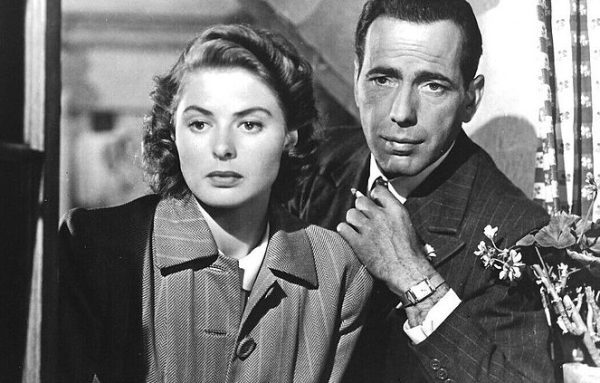
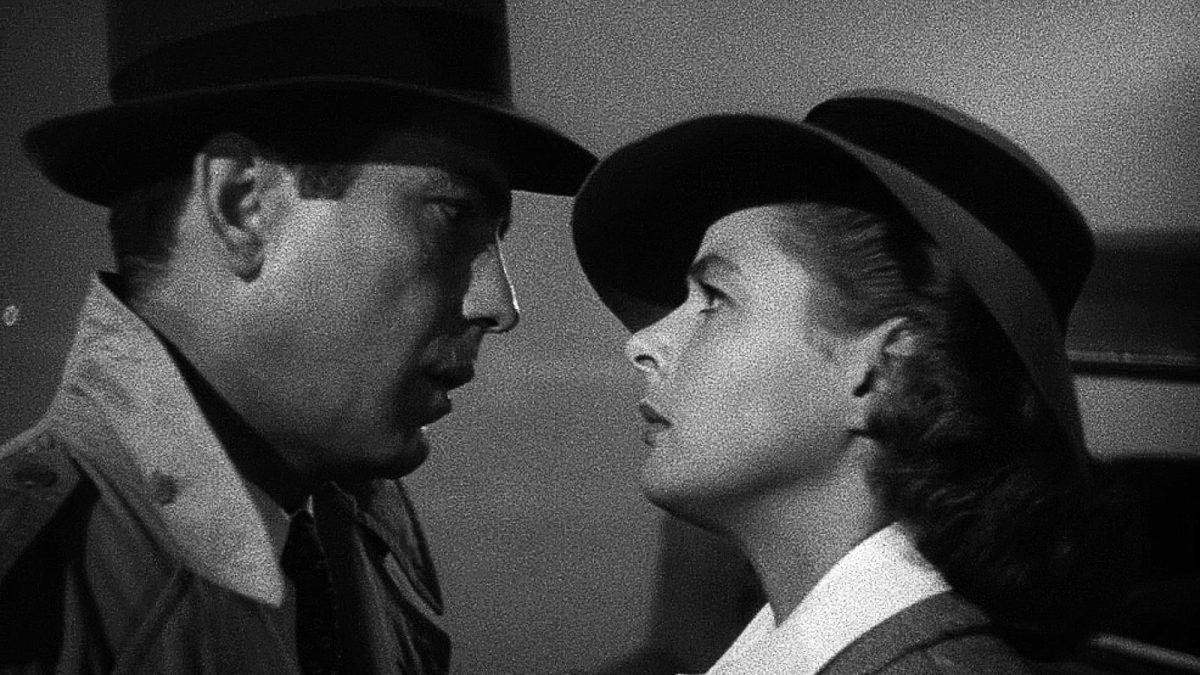
As much as I wish some of the minor characters were more developed, Bogart and Bergman’s chemistry throughout the film makes up for it. Their connection feels subtle and believable, not overwhelmingly passionate, but filled with a whispered sense of longing. Bergman’s softness and vulnerability as Ilsa balance out Bogart’s serious and guarded demeanor, creating a relationship that feels real and deeply rooted.
Before watching this film, I had never seen a black-and-white movie; the style and composition were unlike anything I had ever experienced. Occasionally, I found the movie a bit difficult to follow. It was quick-paced, with complex dialogue and sharp, multinational accents, causing me to miss a few major plot points during my first viewing. However, upon rewatching and focusing on the scene construction, I began to understand why this film is considered a masterpiece. The intimate camera angles in Paris, capturing the tenderness of Rick and Ilsa’s first love, contrast beautifully with the wide, bustling shots of Casablanca, creating a deeply satisfying perspective change.
The ending, however, was what stuck with me the most. Traditionally, the best stories have happy endings. The characters meet, fall in love, and live happily ever after. Casablanca is everything but that. In the end (beware of spoilers), Rick made the heartwrenching decision to send Ilsa away with her husband in the hopes of keeping her safe. This was never about giving up his eternal love for her, but rather about prioritizing more important matters over his feelings, transforming the movie from a deep love story into a lesson on selflessness. As Rick said at the beginning, “I stick my neck out for nobody,” ultimately contradicting this with his final actions. His last and final line, “We’ll always have Paris,” shows the authentic temporality of love.
In short, the ending of Casablanca makes it evident that love and sacrifice are intertwined, that life choices are not always easy nor satisfactory. True love is something constructed out of not just appreciation for someone, but putting their needs, and the world’s, ahead of your own. This film altered my view of life and the hardships of love, opening mine and many others’ eyes to the true reality of relationships in most cases, establishing that Casablanca will be forever a classic, no matter how much time goes by.